
Affiliate Disclosure: This article contains affiliate links. If you purchase through our links, we may earn a small commission at no extra cost to you. We only recommend products we believe in.
If you are a man over 40, chances are you have already noticed subtle changes in your urinary habits — waking up multiple times at night, a weak urine stream, or the persistent feeling that your bladder never fully empties. You are not alone. Prostate health problems affect tens of millions of men worldwide, and the numbers continue to climb as populations age. Yet despite how common these issues are, most men suffer in silence, unaware that practical, natural solutions exist.
This guide is designed to change that. Whether you are already experiencing early prostate discomfort or simply want to take a proactive approach before symptoms arise, the strategies, lifestyle adjustments, and product recommendations in this article can help you take control of your prostate health — naturally and effectively. One product gaining significant attention in this space is Prostavive, a targeted supplement formulated to support healthy prostate function. We will cover it — and much more — in detail below.
Why Prostate Problems Happen: Understanding the Root Causes
To solve any problem effectively, you must first understand what causes it. Prostate enlargement — clinically known as benign prostatic hyperplasia (BPH) — along with inflammation and prostate discomfort, does not happen overnight. It is the result of a combination of biological and lifestyle factors that accumulate over years.
Hormonal Shifts
As men age, testosterone levels decline while a hormone called dihydrotestosterone (DHT) can increase in concentration within prostate tissue. DHT is a potent androgen derived from testosterone, and excess DHT is strongly linked to prostate cell growth and enlargement. This hormonal imbalance is considered one of the primary biological drivers of prostate problems in older men.
Chronic Inflammation
Persistent low-grade inflammation in the body does not just affect the heart or joints — it can settle into the prostate gland as well. Poor diet, sedentary lifestyle, and chronic stress are key contributors to systemic inflammation, which may exacerbate prostate swelling and irritation over time.
Poor Circulation and Nutrient Deficiency
The prostate requires consistent blood flow and a steady supply of micronutrients — especially zinc, selenium, and lycopene — to maintain healthy cellular function. Deficiencies in these nutrients, combined with reduced circulation (often caused by inactivity or cardiovascular issues), can impair the gland’s ability to regulate itself properly.
Genetic Predisposition and Age
Family history plays a significant role. Men with a father or brother who experienced prostate problems are at considerably higher risk. Combined with the natural aging process — during which prostate tissue naturally begins to grow — genetics can accelerate and worsen the condition substantially.
Common Mistakes Men Make When Dealing With Prostate Issues
Understanding what NOT to do is just as important as knowing the right steps. Here are five of the most common mistakes men make when trying to manage their prostate health:
- Ignoring symptoms until they become severe. Many men dismiss early warning signs — slightly increased urinary frequency, mild urgency — as normal aging. By the time they seek medical advice, the condition has often progressed significantly. Early intervention is always more effective.
- Relying solely on prescription medication. While medications like alpha-blockers and 5-alpha reductase inhibitors can provide relief, they come with side effects including dizziness, sexual dysfunction, and fatigue. Many men find the side effects more disruptive than the symptoms they were trying to treat, and they stop the medication without exploring complementary natural approaches.
- Neglecting hydration. It may seem counterintuitive — drink more water when you already feel like you urinate too much? However, dehydration concentrates urine, irritating the bladder and prostate. Adequate hydration actually helps flush the urinary tract and reduce irritation.
- Consuming a pro-inflammatory diet. Diets high in processed foods, red meat, refined sugar, and alcohol create the ideal internal environment for prostate inflammation. Many men unknowingly fuel the very condition they are trying to resolve through their daily food choices.
- Skipping regular exercise. Physical inactivity reduces pelvic blood circulation, promotes weight gain (which elevates estrogen levels in men), and contributes to chronic inflammation. Regular movement is one of the most powerful, free tools available for maintaining a healthy prostate.
Natural Solutions for Better Prostate Health
Adopt a Prostate-Friendly Diet
Focus on a Mediterranean-style diet rich in fruits, vegetables, whole grains, legumes, and healthy fats. Tomatoes — particularly cooked ones — are exceptionally beneficial due to their high lycopene content, a powerful antioxidant associated with prostate protection. Cruciferous vegetables like broccoli, cauliflower, and Brussels sprouts contain sulforaphane, a compound with demonstrated anti-inflammatory and anti-proliferative effects in prostate tissue. Pumpkin seeds are a nutritional powerhouse for the prostate, packed with zinc and phytosterols.
Reduce Stress Levels
Chronic stress elevates cortisol, which disrupts hormonal balance and intensifies inflammatory pathways throughout the body. Practices such as mindfulness meditation, yoga, deep breathing exercises, and even regular leisure walks have been shown to significantly reduce cortisol levels. Even 10 to 15 minutes of daily meditation can produce measurable physiological benefits within weeks.
Exercise Regularly — Especially Kegel Exercises
Aerobic exercise — brisk walking, cycling, swimming — at least 150 minutes per week supports cardiovascular health and reduces systemic inflammation. Additionally, pelvic floor exercises (Kegels) specifically strengthen the muscles that control urination and support prostate function. Research has confirmed that men who perform pelvic floor exercises regularly experience significantly reduced urinary symptoms.
Limit Alcohol and Caffeine
Both alcohol and caffeine are diuretics and bladder irritants that can worsen urinary urgency and frequency. Reducing consumption — particularly in the evening hours — can result in a notable improvement in nighttime urinary symptoms within just a few weeks.
Recommended Products to Support Prostate Health Naturally
While lifestyle changes form the cornerstone of prostate health, targeted supplementation can provide meaningful additional support — especially for men who want to address nutritional gaps or need extra help managing symptoms. Here are three products worth considering:
1. Prostavive — Comprehensive Prostate Support Supplement
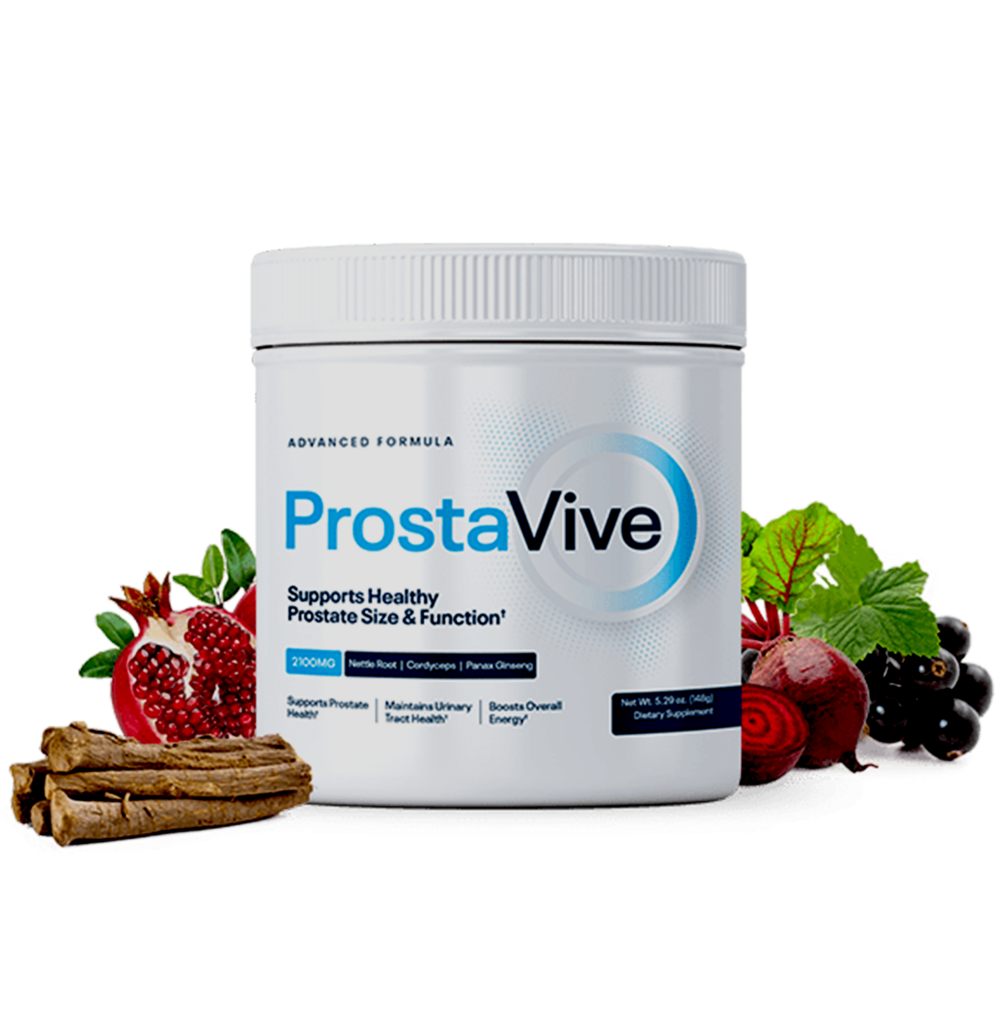
Prostavive is a specially formulated dietary supplement designed to support healthy prostate function through a blend of clinically studied natural ingredients. Its formula targets the key biological mechanisms behind prostate enlargement and discomfort: DHT accumulation, chronic inflammation, and oxidative stress in prostate tissue.
- What it does: Prostavive combines ingredients such as saw palmetto extract, beta-sitosterol, lycopene, zinc, and selenium to help modulate DHT levels, reduce prostate inflammation, and support healthy urinary flow. Many of these ingredients have been studied in clinical trials, with saw palmetto and beta-sitosterol showing particularly strong evidence for improving lower urinary tract symptoms in men with mild to moderate BPH.
- Why it helps: Rather than addressing just one symptom, Prostavive takes a multi-pathway approach to prostate wellness. By simultaneously targeting hormonal balance, inflammation reduction, and cellular protection, it offers more comprehensive support than single-ingredient supplements. The inclusion of zinc is particularly noteworthy — the prostate contains more zinc than any other organ in the male body, and zinc deficiency has been directly linked to impaired prostate function.
- Who it is for: Prostavive is ideal for men aged 40 and above who are experiencing early to moderate urinary symptoms, as well as those who want to take a preventive approach before issues develop. It is also well-suited for men looking to complement dietary and lifestyle changes with targeted nutritional support.
✅ ➡ Check the Latest Price & Availability of Prostavive
2. Saw Palmetto Extract (Standardized 85% Fatty Acids)
Saw palmetto (Serenoa repens) is one of the most extensively researched natural remedies for prostate health. Derived from the berries of a small palm tree native to the southeastern United States, saw palmetto extract has been used by millions of men in Europe for decades and is now widely available as a standalone supplement.
- What it does: Saw palmetto works primarily by inhibiting 5-alpha reductase, the enzyme responsible for converting testosterone into the more potent DHT. By reducing DHT activity in prostate tissue, it may help slow the progression of BPH and alleviate associated urinary symptoms.
- Why it helps: Multiple clinical trials and meta-analyses have examined saw palmetto, with several showing meaningful improvements in urinary flow rate, nighttime urination frequency, and overall quality of life in men with BPH. When choosing a product, look for standardized extracts containing at least 85% fatty acids and sterols — this is the concentration used in most clinical studies.
- Who it is for: Men experiencing urinary hesitancy, weak stream, or frequent nighttime urination who prefer a well-researched single-ingredient approach. It is also a good starting point for men new to prostate supplementation.
3. Zinc and Selenium Complex
Zinc and selenium are two trace minerals that play outsized roles in prostate health, yet are frequently deficient in modern diets. A quality zinc and selenium complex supplement can help fill these nutritional gaps efficiently.
- What it does: Zinc directly regulates prostate cell growth and has potent anti-inflammatory properties within prostate tissue. Selenium, meanwhile, acts as a powerful antioxidant that protects prostate cells from oxidative damage. Together, they support the structural integrity and normal function of prostate tissue at the cellular level.
- Why it helps: Research has found that men with prostate problems tend to have significantly lower zinc concentrations in their prostate tissue compared to healthy men. Supplementing with bioavailable forms such as zinc picolinate or zinc bisglycinate, alongside selenomethionine, provides the most efficient absorption.
- Who it is for: Men who eat limited amounts of shellfish, seeds, and nuts (the primary dietary sources of zinc and selenium), as well as men with confirmed deficiencies or those following a plant-based diet. It pairs well with both Prostavive and standalone saw palmetto.
Lifestyle Tips for Long-Term Prostate Health
Supplements and diet alone will only take you so far. True, lasting prostate health requires consistent lifestyle habits. Here are actionable tips you can begin implementing today:
- Maintain a healthy weight. Excess body fat — particularly around the abdomen — elevates estrogen levels in men, which can stimulate prostate growth. Even a 10% reduction in body weight has been shown to improve urinary symptoms.
- Avoid sitting for prolonged periods. Sitting for long stretches compresses the pelvic region and reduces blood flow to the prostate. If you work at a desk, aim to stand or walk for at least 5 minutes every hour.
- Limit fluid intake in the evening. To reduce disruptive nighttime trips to the bathroom, try to drink the majority of your daily fluids before 6 PM. Avoid alcohol and caffeinated beverages within three hours of bedtime.
- Schedule regular prostate screenings. Beginning at age 50 (or 40 if you have a family history of prostate issues), discuss PSA testing and digital rectal exams with your doctor. Early detection remains the single most powerful tool for managing serious prostate conditions.
- Stay sexually active. Regular ejaculation has been associated with better prostate health outcomes in several studies. It helps clear the gland of potentially harmful secretions and maintains healthy circulation in the pelvic region.
- Practice double voiding. After urinating, wait a moment and then attempt to urinate again. This technique can help more completely empty the bladder, reducing urgency and the sensation of incomplete voiding.
- Prioritize quality sleep. Testosterone production occurs primarily during deep sleep. Consistently poor sleep disrupts hormonal balance, raises cortisol, and contributes to the inflammatory environment that promotes prostate problems. Aim for 7 to 9 hours of quality sleep per night.
Frequently Asked Questions (FAQ)

Q1: How long does it take to see results from natural prostate supplements like Prostavive?
Natural supplements generally require consistent use over several weeks before meaningful improvements become noticeable. Most men report the first signs of change — reduced nighttime urination, improved flow — within 4 to 8 weeks of consistent use. Full benefits are typically realized after 3 to 6 months. For best results, pair supplementation with dietary and lifestyle changes rather than relying on supplements alone.
Q2: Can prostate enlargement be reversed naturally?
In the early stages, symptoms of BPH can often be significantly improved — and in some cases substantially reversed — through lifestyle changes, diet, and targeted supplementation. However, advanced BPH typically requires medical intervention. This is why addressing prostate health proactively and early is so important. Natural approaches are most effective as prevention or for mild to moderate symptom management.
Q3: Is Prostavive safe to take alongside prescription medications?
While most natural prostate supplements are well tolerated, it is always advisable to consult with your healthcare provider before adding any new supplement to your routine — especially if you are currently taking prescription medications for BPH, blood pressure, or blood thinners. Some herbal ingredients, including saw palmetto, can interact with certain medications. Your doctor can help you determine the safest and most effective combination for your specific situation.
Q4: At what age should I start thinking about prostate health?
Prostate health is worth considering starting in your late 30s to early 40s, even if you have no symptoms. The lifestyle habits you establish during this time — diet, exercise, weight management, stress reduction — have a profound impact on how your prostate health unfolds in the decades ahead. Waiting until symptoms appear is not ideal; prevention is far easier and more effective than treatment.
Q5: What foods should I avoid for better prostate health?
Foods most associated with poor prostate health include: red and processed meats (especially when grilled or charbroiled at high temperatures), full-fat dairy products in large quantities, refined carbohydrates and added sugars, trans fats found in fried and packaged foods, and excessive alcohol. Replacing these with whole foods, plant-based proteins, and healthy fats can make a significant difference in prostate wellness outcomes.
Conclusion

Prostate health is not a topic that should wait for a crisis. Whether you are noticing the first subtle signs of urinary changes or simply want to protect your wellbeing decades into the future, the strategies outlined in this guide give you everything you need to take meaningful action right now.
The key takeaways are clear: understand the root causes of prostate problems — particularly hormonal imbalances and chronic inflammation — and address them through a combination of prostate-friendly nutrition, regular exercise, stress management, and targeted supplementation. Avoid the common mistakes of ignoring early symptoms, relying on medication alone, or neglecting the lifestyle factors that matter most.
When it comes to supplementation, products like Prostavive offer a well-rounded, multi-ingredient approach that addresses the full spectrum of prostate health needs — from DHT regulation to inflammation reduction and antioxidant protection. Pairing Prostavive with a quality zinc and selenium complex and a standardized saw palmetto extract creates a comprehensive, evidence-informed supplement stack tailored for prostate support.
Remember: the habits and choices you make today will determine the quality of your health tomorrow. Prostate health is deeply interconnected with your overall vitality, energy levels, sexual health, and quality of sleep. Investing in it is not just about avoiding discomfort — it is about living well, fully, and on your own terms for as long as possible.
Start with one change — whether that is adding more tomatoes to your meals, committing to a 30-minute walk three times a week, or beginning a course of Prostavive. Build from there. Consistency, not perfection, is the path to lasting prostate health.
✅ ➡ Get Started with Prostavive Today — Check Price & Availability
Medical Disclaimer: This article is for informational and educational purposes only and does not constitute medical advice. Always consult a qualified healthcare professional before making changes to your diet, exercise routine, or supplement regimen, particularly if you have a diagnosed health condition or are taking prescription medications.

Leave a Reply